The history of the Belmont School
A visit to the Belmont Museum opened up a treasure trove of information on the area.
Today, we will share the notes found in the Museum on the history of Belmont School, starting from the beginning.
“The first school district was formed in February 1886. The home of John D. Gordon was used until the schoolhouse was built on the corner of John Gordon’s homestead, one mile east of the creamery site.
It was named Craiglea. The first teacher was Fred Stevens, followed by Miss Katie McPhail in 1889. After the town was begun, the schoolhouse was moved onto the town site in 1890.
At a public meeting on November 4, 1892, it was resolved to build a new school at the cost of $1,300. This school was used for several years until the increased enrollment made it necessary to build a new school. On June 15, 1900, a vote was taken to borrow $1,000 for the purpose of building a new, larger school. At the annual meeting on December 3, 1900, the Trustees were advised to build a four-room brick school the next year.
However, the new school was not ready for occupancy until the Fall of 1904. The senior classes had been held above Brinkworth’s store until it burned on New Year’s 1904. They moved into the original Craiglea School to finish the term. Mr. Irvine Mott was the first high school teacher and Principal of the new brick school.
This new combined high school and elementary school featured large windows, oiled wooden floors and had no indoor plumbing during the early years. At the time the school opened there were only three classrooms in use. The basement was used for storage of athletic equipment and also contained the coal furnace. The two rooms on the main floor were used by grades six to eleven, with grades six, seven and eight in one room and the remaining grades in the other. Similarly, there were two classrooms on the second floor. One was used for grades one to five, while the other was rented out to the Oddfellows Lodge.
Also included on the second floor was a small office for the Principal. The stairs going to the second floor had a large landing halfway up where the school library was located.
Consolidation in 1917 brought many changes to the school as enrollment continued to increase. Through the course of the years, added features were welcomed. By 1937, there were six classrooms in use, the four previously mentioned, in addition to two more in the basement. Now the two rooms on the main floor were used for grades one and two, along with grades three, four and five. The second-floor classrooms were occupied by the grade nine and ten classes and the grade eleven and twelve classes. Grades six, seven, and eight were situated in one of the basement rooms, while the other was used primarily as a science lab, though it was converted into a regular classroom shortly thereafter. In 1943, indoor washrooms were installed.
As enrollment continued its upward spiral, the school became overcrowded. In the 1950’s it became increasingly evident a new school was desperately needed. As students who had attended various country school began attending the town school. Through the years, these students made their way to town by nearly every way imaginable. They rode horses, walked, and travelled in horse-drawn vans, which in winter featured precarious wood-burning stoves. They travelled in buggies, carts and later cars, half-ton trucks, and of course, the fleet of school buses used presently. It was also becoming increasingly clear that the building that had served the community so well since 1904 had simply seen better days.
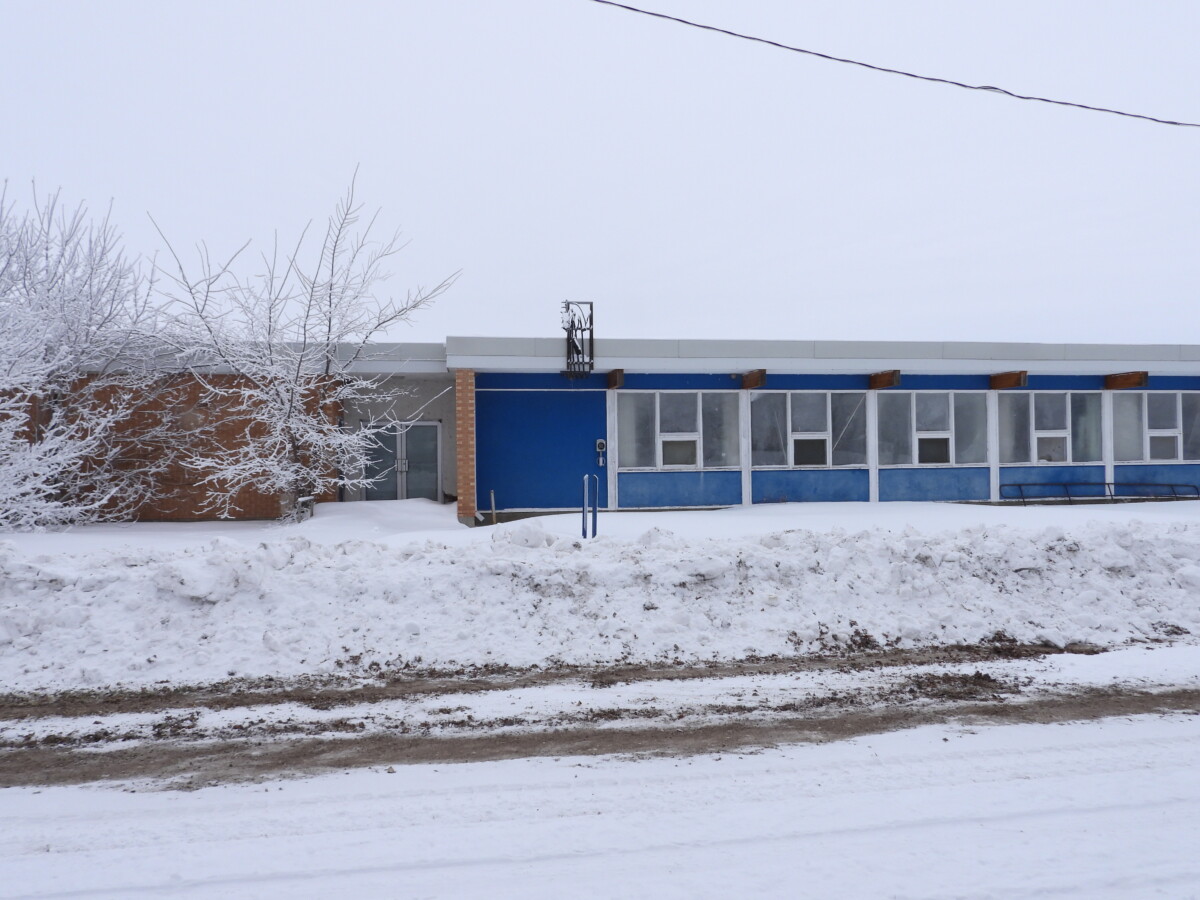
In 1959, the town decided to begin the construction of the present Belmont Consolidated School. That year, the grade seven and eight classes needing somewhere to continue their studies, along with teachers Mrs. Jean Williamson and Mrs. Audrey Webster, gratefully moved to some homes in town.
The grade seven class was located in the basement of the house, which is now owned by Bill Acorn. The grade eight class started out in the house where Fleurette Capon now resides, then they were moved above the old Telephone Building, and then finally they were moved to the house now occupied by Leonard Lambkin.
On July 2, 1959, a referendum was held to create a debenture of $140,000 to build a new ten-room elementary school. The contract award was made in August 1959 to Gotthard Peterson of Cypress River for the bid of $141,323. The construction started in September 1959 under the guidance of architect Ian M. Brown.
Thirty-seven inches of snow fell on October 6 and 7, and the School Board suggested that construction shut down for the winter months, providing completion could be attained for the Fall term. Completion was scheduled on August 20, 1960.
On December 22, 1960, the new school was officially opened. During the ceremonies, the staff were introduced: Mr. J.B. Robertson was the Principal in charge of both schools; Mrs. Audrey Webster was the Vice Principalin in addition to teaching grade eight; Mrs. Jean Williamson taught grade seven, Miss Doreen Renwick grades five and six, Louise Waldon grades three and four, Miss B. Booking grade two, and Mrs. Clara Myers grade one. The total enrollment was 184 students.
The new school was a big change from the previous arrangements. Overcrowding ceased to be a problem, and this, combined with better facilities and equipment, made a considerable improvement. Having an auditorium was also a welcome change. At this point, the old school was used only as a high school with grades nine to twelve, each having their own room. This arrangement lasted until the high school students were transferred to Glenboro in 1968. The now vacant school building was demolished shortly afterwards, and the site is now occupied by Belcrest Manor.”
This history was taken from handwritten notes held in the Belmont Museum. Unfortunately, the notes were not dated or signed, but they do follow the information held in “The Path of the Pioneers”, the Belmont and District history book that covers the years between 1889 and 1989.